How Technology Is Changing Theme Park Experiences: From Virtual Reality to Smart Operations
Discover how technology is transforming theme parks with VR attractions, mobile apps, projection mapping, and smart safety systems creating immersive…
Theme parks have evolved dramatically from simple carnival rides to sophisticated entertainment destinations where cutting-edge technology creates unforgettable memories. Today’s visitors expect more than traditional attractions, they want immersive, personalized experiences that blur the lines between reality and fantasy.
Virtual and Augmented Reality Transform Attractions
Understanding how technology is changing theme park experiences starts with examining immersive technologies. Virtual reality and augmented reality are revolutionizing how guests interact with attractions, transforming static rides into dynamic, story-driven adventures.
Parks like Universal Studios Japan now integrate VR headsets into roller coasters, allowing riders to battle dragons or explore alien worlds while experiencing physical thrills. Disneyland’s Star Wars: Galaxy’s Edge uses AR to let guests interact with digital characters through their smartphones, creating personalized storylines that extend beyond traditional ride boundaries.
These technologies enable parks to update attraction content without major construction projects. A single ride platform can host multiple themed experiences, maximizing investment returns while keeping content fresh for repeat visitors.
Mobile Apps and Wearables Enhance Convenience
Smart technology has transformed how guests navigate and interact with theme parks. Advanced mobile applications now serve as digital companions, providing real-time wait times, interactive maps, restaurant reservations, and personalized recommendations based on visitor preferences.
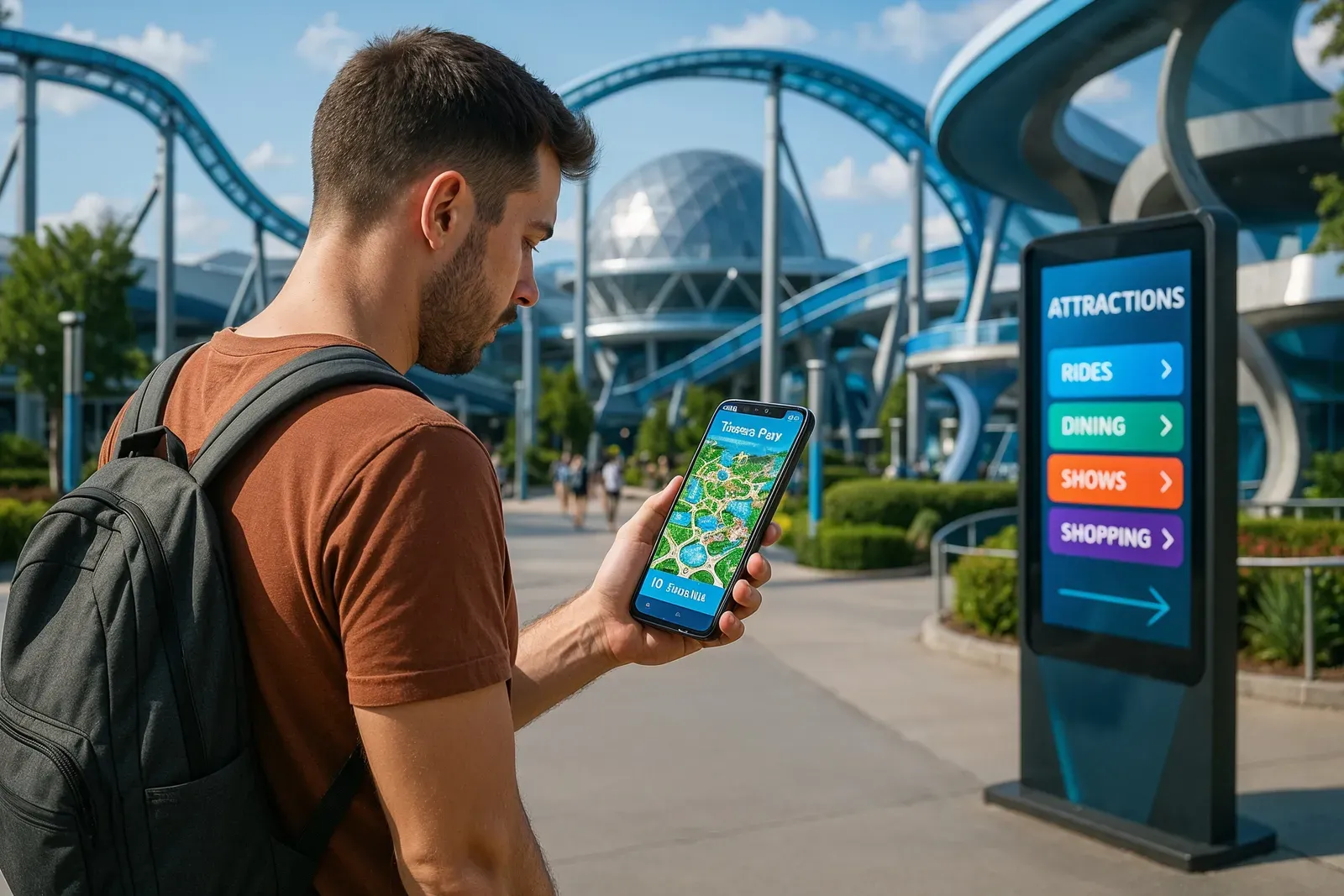
RFID-enabled wristbands and smart devices facilitate cashless transactions throughout parks, eliminating the need for wallets or credit cards. These systems automatically capture ride photos, unlock hotel rooms, and even suggest dining options based on dietary restrictions or past purchases.
Universal Orlando Resort and Disney parks lead this trend, using predictive analytics to anticipate crowd flows and suggest optimal touring strategies. Guests can now skip traditional lines through mobile ordering for food, advance reservations for attractions, and digital ticketing systems that adapt to real-time capacity changes.
Projection Mapping Creates Dynamic Environments
Static park structures are being transformed into living, breathing environments through projection mapping technology. This innovation projects high-resolution 3D images onto buildings, landscapes, and attraction facades, creating visually stunning experiences that can be updated cost-effectively.
Tokyo Disneyland’s nighttime spectaculars use projection mapping to transform Sleeping Beauty Castle into different themed environments throughout a single show. These systems combine with synchronized lighting, sound effects, and even scent dispensers to create multi-sensory experiences that engage all visitor senses.
The flexibility of projection mapping allows parks to adapt attractions for seasonal events, special celebrations, or new intellectual property partnerships without permanent structural changes.
Safety and Efficiency Through Smart Systems
Technology improvements extend beyond entertainment to operational safety and efficiency. Facial recognition systems and smart surveillance networks help parks manage security while reducing wait times at entry points. These systems can identify potential safety concerns and optimize crowd distribution throughout park areas.
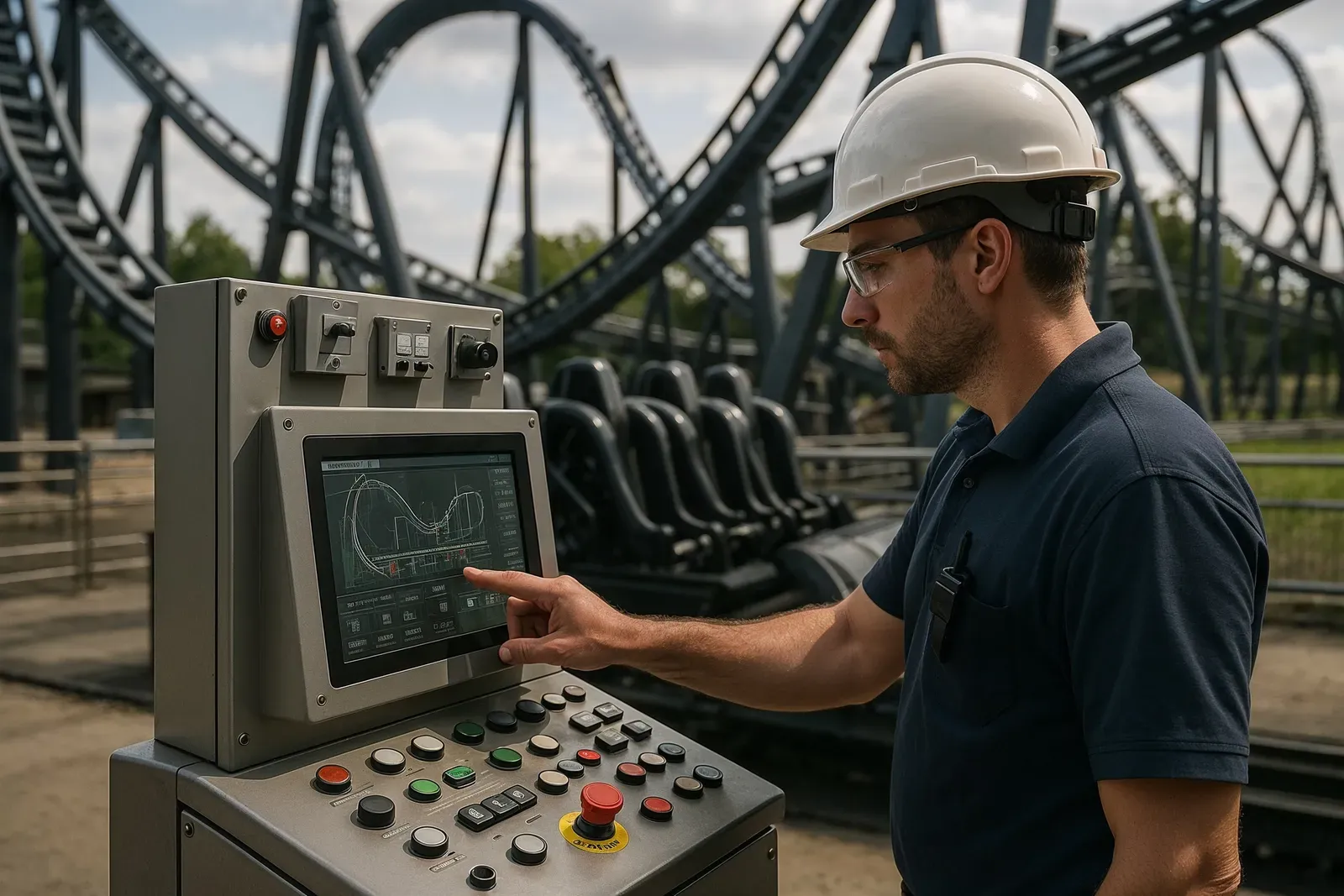
Internet of Things sensors enable predictive maintenance on attractions, monitoring equipment performance in real-time to prevent breakdowns before they occur. This technology ensures rides operate safely while maximizing uptime for guest enjoyment.
Advanced ride monitoring systems use multiple data points to ensure optimal safety standards, while mobile emergency response systems allow staff to coordinate quickly during any incidents.
Seasonal Events Embrace Interactive Technology
Halloween events and seasonal celebrations now leverage technology to create unprecedented immersive experiences. Parks use advanced sensory effects, interactive haunted houses, and digital queue management systems to enhance themed events.
Six Flags’ Halloween attractions incorporate motion sensors, augmented reality elements, and personalized scare experiences based on guest preferences. Some parks even offer “no scare” options through wearable devices that signal actors to modify their approach.
These seasonal implementations often serve as testing grounds for technologies that later become permanent park features.
The Future of Theme Park Innovation
Emerging trends point toward even more personalized and adaptable experiences. Modular attraction systems allow parks to reconfigure rides quickly based on visitor demand or seasonal themes. Health-conscious attractions combine entertainment with wellness trends, offering fitness-focused obstacle courses and active participation experiences.
Retail and dining operations are evolving with RFID-enabled stores, immersive themed restaurants, and even virtual shopping options for remote guests. These innovations drive revenue while enhancing visitor satisfaction through convenience and personalization.
Expert consultancies help parks navigate rapid technological changes, ensuring implementations meet both guest expectations and international safety standards. This support is particularly crucial in emerging markets across Asia, the Middle East, and South America.
Technology continues reshaping theme park experiences by creating more immersive, convenient, and safe environments. As virtual reality, artificial intelligence, and smart systems become more sophisticated, parks that successfully integrate these innovations will define the future of entertainment destinations worldwide.
Watch it, don't just read it


More from The Business of the Magic
Theme Park Standards and Regulations: A Complete Guide to Safety, Compliance, and Innovation
Master theme park standards and regulations with our comprehensive guide covering safety compliance, international standards, best practices, and…
The Future of Theme Park Innovation: How Technology and Storytelling Are Revolutionizing Guest Experiences
Discover how theme park innovation is transforming guest experiences through AI animatronics, AR technology, sustainable design, and immersive…
How Next Generation Technology is Revolutionizing Theme Park Operations in 2025
Discover how innovation in theme park operations is transforming guest experiences through AI, VR, robotics, and sustainable technology. Learn about the…